You are here:

Where We Call Home: LGBT People in Rural America

Authors

Movement Advancement Project

Partners

Equality Federation
National Center for Lesbian Rights
National Black Justice Coalition

Report Resources

Where We Call Home: LGBT People in Rural America: Full Report
Download
Executive Summary
Download
Infographics
Download
Recommendations: LGBT Advocates and Organizations
Download
Recommendations: Community Organizations
Download
Recommendations: Educators and Schools
Download
Recommendations: Employers
Download
Recommendations: Healthcare Providers
Download
Recommendations: Policymakers
Download
Rural Community Flyer
Download
Folleto Comunitario Rural (Español)
Download

Recommended Citation

Movement Advancement Project. April 2019. Where We Call Home: LGBT People in Rural America. https://mapresearch.org/report/where-we-call-home-lgbt-people-in-rural-america/.

Popular culture images of LGBT people suggest that most LGBT people live in cities or on the coasts. Yet an estimated three million or more LGBT people call rural America home.  The Movement Advancement Project released a new report, Where We Call Home: LGBT People in Rural America, which examines the structural differences in rural life and their unique impact on LGBT people in rural areas, who are both more vulnerable to discrimination and less able to respond to its harmful effects.

Among other challenges, rural LGBT people are less likely to have explicit nondiscrimination protections, are more likely to live in areas with religious exemption laws that may allow service providers to discriminate, and have fewer alternatives when facing discrimination, as detailed in a new report released today. Although LGBT people in rural areas face many of the same challenges as their neighbors, they experience different consequences, and the many structural challenges of living in rural communities can often amplify LGBT people’s experiences of both acceptance and rejection.

The report has three key sections, examining how many LGBT people live in rural areas and why they live there; the experiences of LGBT people living in rural communities; and the social and political landscape in rural America. The report also offers a robust set of recommendations for improving the lives of all rural residents, including LGBT people.

To access all our resources and research on LGBT people in rural communities, visit our rural topic page.
Related resources

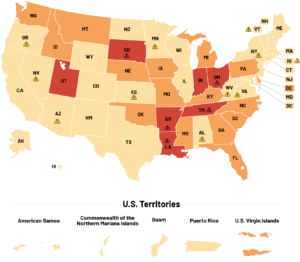
Nondiscrimination Laws
Non-discrimination laws protect LGBTQ people from employment, housing, public accommodations, credit, and other discrimination.
HIV Criminalization Laws
Rural

Popular culture images of LGBTQ people suggest that most LGBTQ people live in cities or on the coasts. Yet an estimated three million or more LGBTQ people call rural America home. LGBTQ people are part of the fabric of rural and urban communities alike, working as teachers and ministers, small

LGBTQ People
LGBTQ people in the United States have families, work hard to earn a living, pay taxes, and serve their communities and their country. MAP offers a collection of resources addressing the many aspects of LGBTQ people’s lives.
Regional

The lives and experiences of LGBTQ people across the United States varies based on where they live. For example, legal and legislative progress on issues affecting LGBTQ people has not advanced equally across the United States. There are variations from state to state and region to region. Positive policy innovations

Economic Security

LGBTQ people in the United States have the same worries as others when it comes to finding good jobs, providing for their families, and saving for the future. But research consistently finds that LGBTQ people and their families are more likely to struggle economically and experience higher rates of poverty

The Power of Affirming Community: How Local Spaces Support LGBTQ Youth Outcomes
Despite the Attacks Against Us, LGBTQ+ People Know How to Win
From defeating harmful legislation, to regional, grassroots efforts, to local community centers, there are many ways that LGBTQ people continue to win.
Retirement Rankings Say ‘Head South.’ But What About LGBTQ People?

Join our community

Get research updates, stories, and ways to support.