You are here:

Rural

Popular culture images of LGBTQ people suggest that most LGBTQ people live in cities or on the coasts. Yet an estimated three million or more LGBTQ people call rural America home.  LGBTQ people are part of the fabric of rural and urban communities alike, working as teachers and ministers, small business owners and community organizers, farmers and construction workers. LGBTQ people who choose to live in rural communities often choose to live there for many of the same reasons that other people do: they value the same, wonderful aspects of rural life as other people. These include a vibrant and tight-knit community, family life, and connection to the land. Rural communities are where they were raised, where their families are, where they build their lives, or simply where they call home. 

Among other challenges, rural LGBTQ people are less likely to have explicit nondiscrimination protections, are more likely to live in areas with religious exemption laws that may allow service providers to discriminate, and have fewer alternatives when facing discrimination, making them less able to respond to its harmful effects. Although LGBTQ people in rural areas face many of the same challenges as their neighbors, they experience different consequences, and the many structural challenges of living in rural communities can often amplify LGBTQ people’s experiences of both acceptance and rejection.

Related Resources

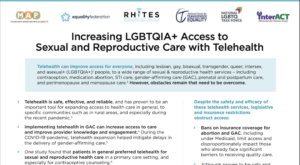
Fact Sheet: Increasing LGBTQIA+ Access to Sexual and Reproductive Care with Telehealth

Despite the safety and efficacy of telehealth services, legislative and insurance restrictions can obstruct access to care.

Where We Call Home: Transgender People in Rural America

Stereotypes and pop culture portrayals often overlook the diversity of rural America, framing rural regions as made up predominantly of white, politically conservative people who are hostile to LGBT people. But millions of LGBT people, including transgender people, live in rural communities—and while some struggle, others thrive. The Movement Advancement

Where We Call Home: LGBT People of Color in Rural America

Media coverage often portrays rural America as singularly white, conservative and working-class. Yet at least 10 million people of color, including lesbian, gay, bisexual, and transgender (LGBT) people of color, call rural America home. The Movement Advancement Project (MAP) released a new report, Where We Call Home: LGBT People of

Where We Call Home: LGBT People in Rural America

Popular culture images of LGBT people suggest that most LGBT people live in cities or on the coasts. Yet an estimated three million or more LGBT people call rural America home. The Movement Advancement Project released a new report, Where We Call Home: LGBT People in Rural America, which examines

Join Our Community

Get research updates, stories, and ways to support.