You are here:

LGBTQ People of Color

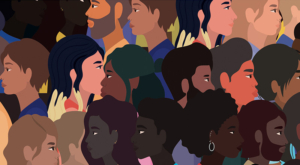
People of color in the United States are more likely to identify as LGBTQ than white people. It is estimated that one-third of LGBTQ people nationally are people of color. LGBTQ people of color have unique experiences both as LGBTQ people and as people of color. Research finds that they are more likely to experience workplace discrimination, housing discrimination, and violence compared to both their non-LGBTQ peers and their white LGBTQ peers.

The following resources are dedicated to addressing the unique experiences of LGBTQ people of color including reports about the criminal justice system, economic security, workplace issues, and more. 
Related Resources

Dismantling DEI: A Coordinated Attack on American Values
This report breaks down the strategies opponents have used to target DEI within government, education, and the private sector, and demonstrates the harmful impacts these attacks have on our communities.
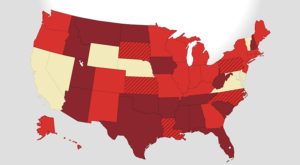
Bans on Best Practice Medical Care for Transgender Youth
Bans on best-practice medical care represent one of the most extreme and coordinated political attacks on transgender people in recent years. These bills target transgender youth by blocking their access to best-practice medical care.
Policy Spotlight: Curriculum Censorship & Hostile School Climate Bills

Curriculum Censorship & Hostile School Climate Bills examines the wave of state legislation that censor discussions of race, ethnicity, religion, and LGBTQ people in schools and that create a hostile climate for students. Curriculum Censorship Bills, including So-Called “Don’t Say Gay” Bills and Bans on Critical Race Theory School censorship

The Delta Variant & the Disproportionate Impacts of COVID-19 on LGBTQ Households in the U.S.

In December 2020, MAP released an analysis of a nationally representative survey conducted by NPR, The Robert Wood Johnson Foundation, and the Harvard T.H. Chan School of Public Health (NPR/RWJF/ Harvard) showing how LGBTQ people, particularly LGBTQ people of color and those raising children, experienced higher rates of economic insecurity,

Why We All Need the Equality Act Now

In 2021, Congress has the opportunity to recommit our country and our elected officials in securing fairness and equality for all by passing the Equality Act. Why We All Need the Equality Act Now outlines the ways in which the Equality Act is vital legislation not just for LGBTQ people,

The Disproportionate Impacts of COVID-19 on LGBTQ Households in the U.S.

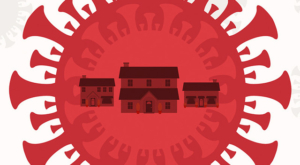
In July/August 2020, NPR, The Robert Wood Johnson Foundation, and the Harvard T.H. Chan School of Public Health (NPR/RWJF/Harvard) conducted a five-part polling series to examine the impact of COVID-19 on households in the United States. The poll included a question allowing respondents to identify as LGBTQ. MAP’s report, The

Week #1: 10 Ways President Biden Can Support LGBTQ People

This brief highlights 10 actions the Biden administration can immediately start to ensure LGBTQ people and their families can be protected from discrimination.

Where We Call Home: LGBT People of Color in Rural America

Media coverage often portrays rural America as singularly white, conservative and working-class. Yet at least 10 million people of color, including lesbian, gay, bisexual, and transgender (LGBT) people of color, call rural America home. The Movement Advancement Project (MAP) released a new report, Where We Call Home: LGBT People of

LGBT Policy Spotlight: LGBT Equality in the U.S. Territories

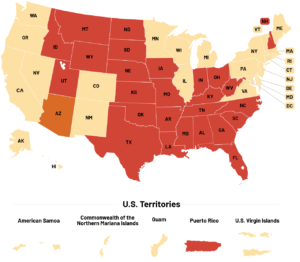
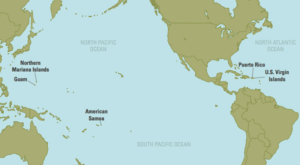
The Bottom Line The United States’ long history of territorial expansion has resulted in a truly complicated system of governance for territory residents, where even the U.S. Constitution doesn’t always apply. Examining each of the five territories across the more than 38 laws and policies tracked by MAP offers just

LGBT People in the Workplace

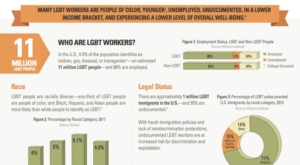
The Bottom Line Coauthored with the National LGBTQ Workers Center, MAP’s new brief, LGBT People in the Workplace: Demographics, Experiences and Pathways to Equity, details the history, demographics and experiences of LGBT people in the workplace. In addition to outlining

50 Years Ago vs. Today: Piggie Park & the High Stakes of the Masterpiece Cakeshop Case

The Bottom Line Fifty years ago, in March 1968, the U.S. Supreme Court issued a landmark ruling in Newman v. Piggie Park Enterprises. Piggie Park, a small barbeque chain that is still open today, refused to serve African American customers.

Unjust: LGBTQ Youth Incarcerated in the Juvenile Justice System

The Bottom Line Unjust: LGBTQ Youth Incarcerated in the Juvenile Justice System examines how LGBTQ youth who are incarcerated in juvenile detention and correctional facilities face bias in adjudication, and mistreatment and abuse in confinement facilities. LGBTQ youth also lack supportive services when leaving the criminal and juvenile justice systems,

Unjust: How the Broken Criminal Justice System Fails LGBT People of Color

The Bottom Line Unjust: How the Broken Criminal Justice System Fails LGBT People of Color examines how racism and anti-LGBT discrimination combine to make LGBT people of color uniquely vulnerable to entering the criminal justice system and also facing unfair and abusive treatment once they are in it. The report

Paying an Unfair Price: The Financial Penalty for LGBT People of Color

The Bottom Line Paying an Unfair Price: The Financial Penalty for LGBT People of Color in America documents how systemic failures to protect some students, recognize diverse families, and protect people from discrimination drive and trap LGBT people of color into a devastating cycle of poverty. The report details the

A Broken Bargain for LGBT Workers of Color

The Bottom Line The promise of the American bargain is that people who work hard will be judged and rewarded based on their contributions and capabilities—no matter who they are, what they look like, or where they are from. Instead of having a fair chance to get ahead, for LGBT

LGBT Families of Color: Facts at a Glance

The Bottom Line The intersection of inequitable laws, social stigma, and race-based discrimination collide in ways that create significant challenges for LGBT families of color. Children of color are more likely to be raised by de facto parents like grandparents, aunts, and other relatives, and are more likely to be

Join Our Community

Get research updates, stories, and ways to support.