Curbside Voting

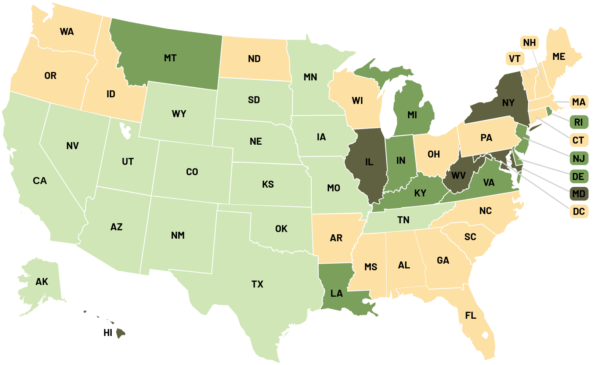
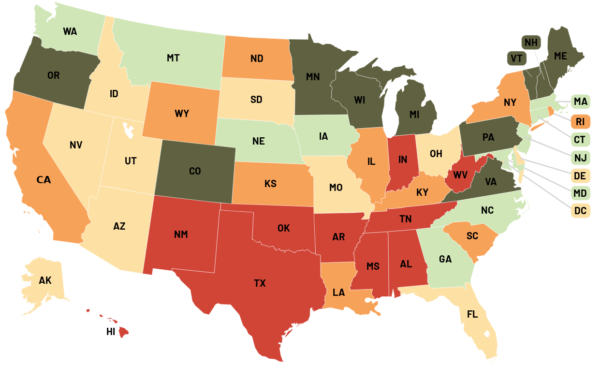
Curbside voting is a method of in-person voting where voters who are unable to physically enter their polling place (e.g., due to a disability) may request that a ballot be brought outside of the polling place to an accessible location such as a vehicle. A number of states either require or allow this option to…
Vote Centers

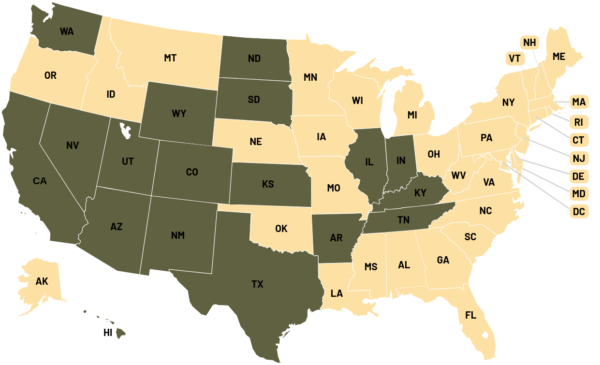
Vote centers are an alternative to the traditional precinct based polling place model which allows voters to cast their ballot anywhere in the county in which they are eligible. Some states require vote centers while others allow counties the choice of whether to utilize them. In addition to convenience, vote centers can reduce costs and…

Provisional Ballot Policies

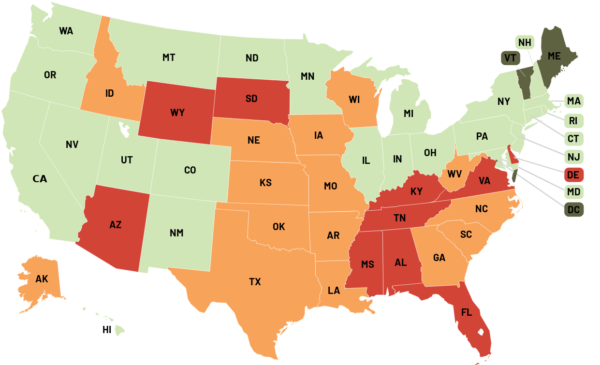
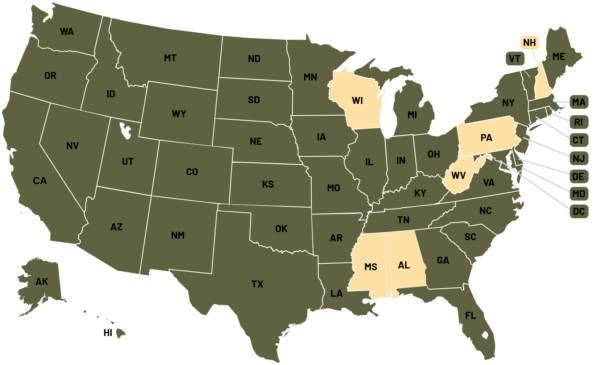
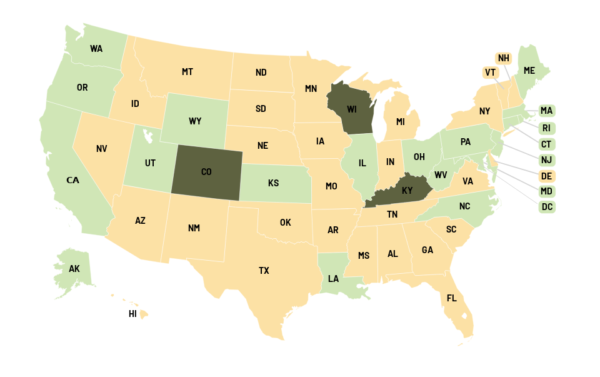
Provisional ballots are a backup voting method intended to allow voters who cannot establish their eligibility at the polling place to cast their ballot and have it counted. Provisional ballots are required under the federal Help America Vote Act (HAVA) passed in 2002. Certain states were initially exempted from HAVA’s requirements, and of those states,…

National Popular Vote Compact

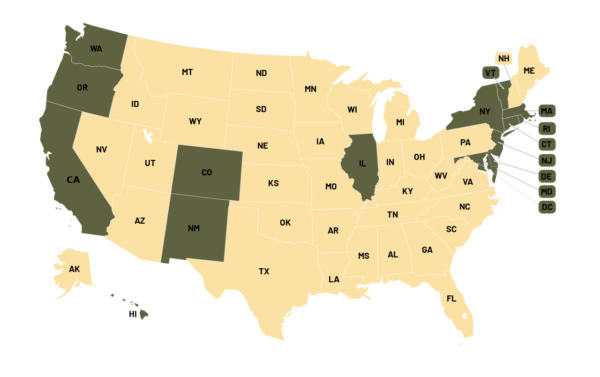
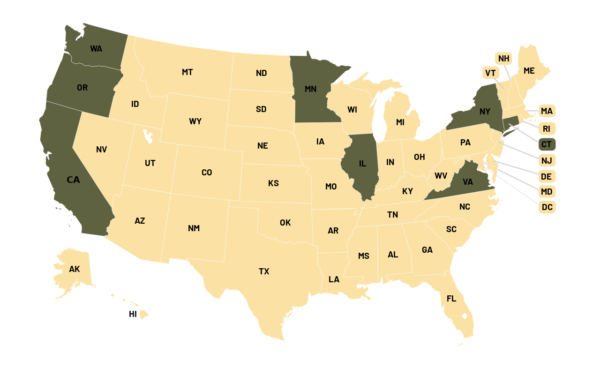
The National Popular Vote Compact is an agreement among states which seeks to implement a popular vote system for presidential elections—as opposed to the current Electoral College process which allows a president to be elected despite receiving less votes than his or her opponent. The Compact will take effect when joined by states representing 270…

Mail Ballot Processing

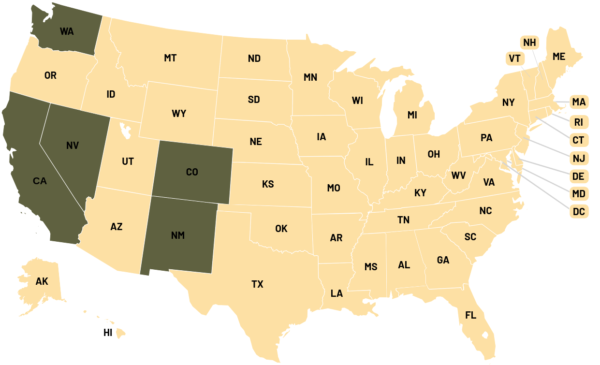
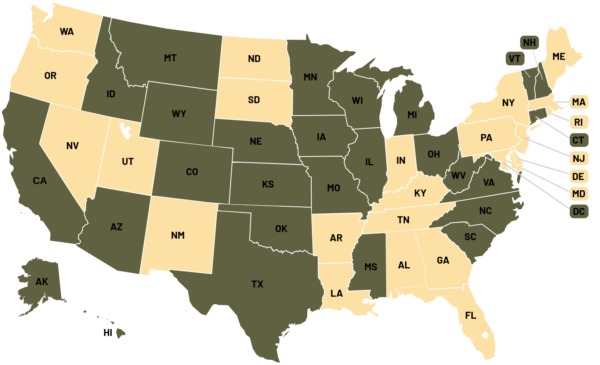
The 2020 election saw a large increase in voters choosing to utilize absentee or mail ballots rather than traditional in-person voting. This increase created logistical issues for election jurisdictions in the ballot counting process, which in turn caused delayed results in some states. One policy states can use to help lessen these delays is allowing…