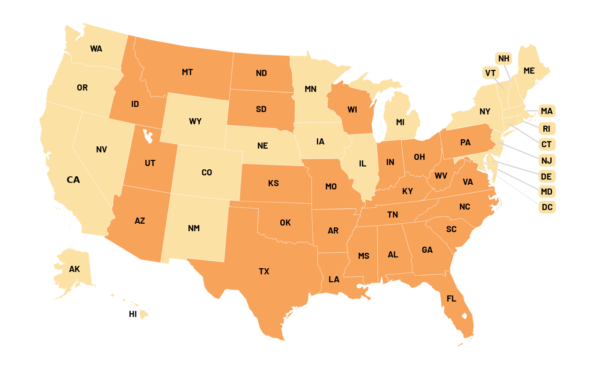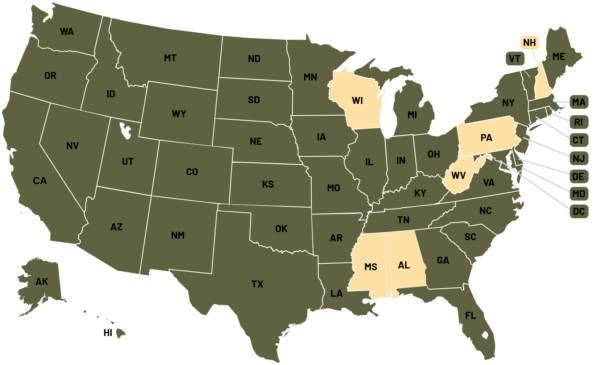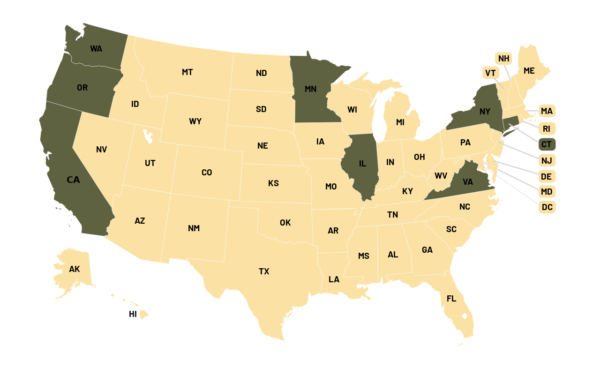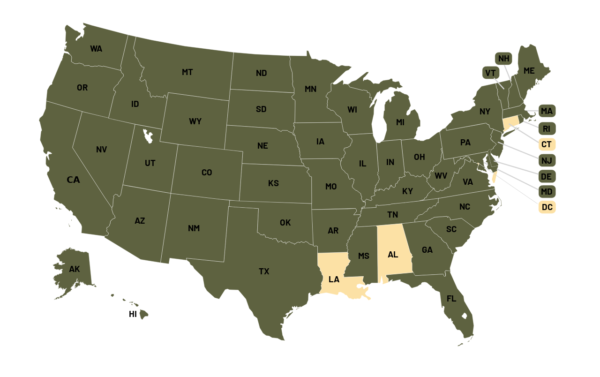
Mail Ballot Receipt Deadline

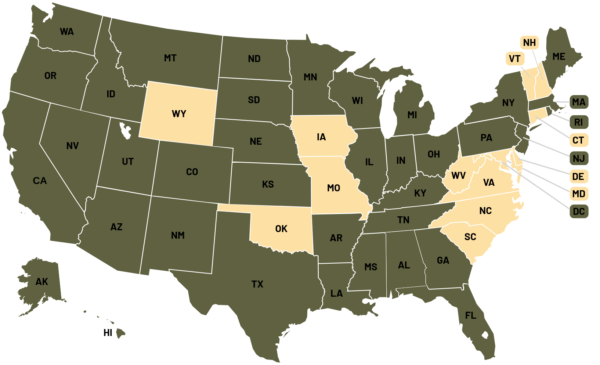
Most states require voters returning absentee or mail ballots to ensure their ballots are received by the appropriate authority by Election Day. A number of states allow ballots to be received a certain number of days after Election Day if the ballot envelope is postmarked on or before Election Day. Finally, some states require absentee…
Drop Box Policies

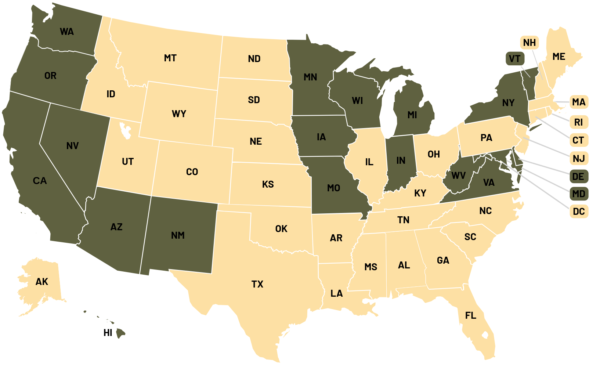
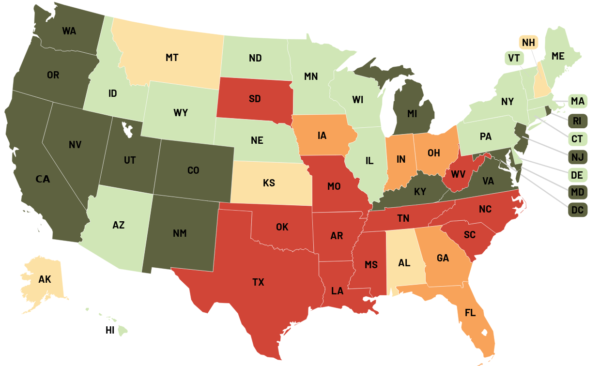
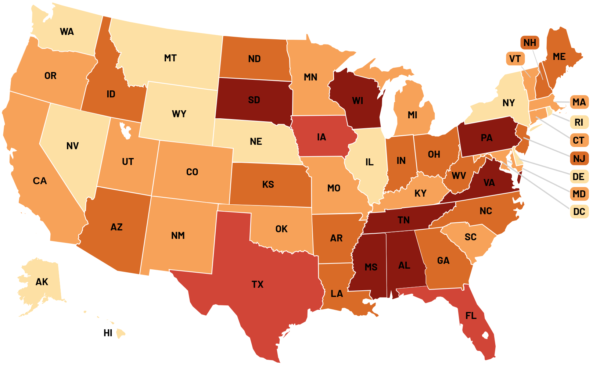
In addition to returning absentee or mail ballots through the postal service, many states offer voters the option of returning their ballot to a secure drop box provided by election authorities. States take a variety of policy approaches to ballot drop boxes, with some states requiring they be accessible statewide, while other states limit, restrict,…

Ballot Collection Policies

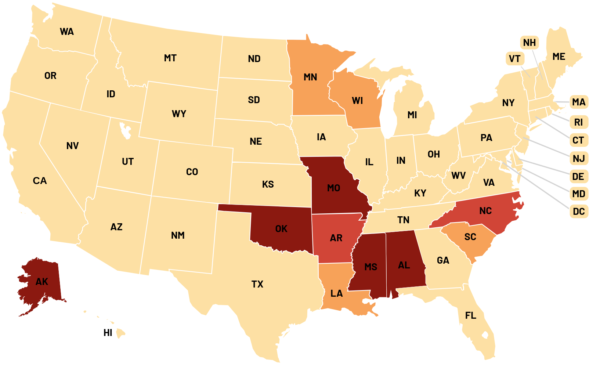
Third party ballot collection, which is also referred to negatively as “ballot harvesting,” refers to a voter allowing another individual to return their completed ballot. MAP has analyzed each state law to determine whether a given state’s restrictions on ballot collection are overly burdensome to voters. Restrictions on ballot collection can disproportionately affect Native voters,…

Private Funding Bans

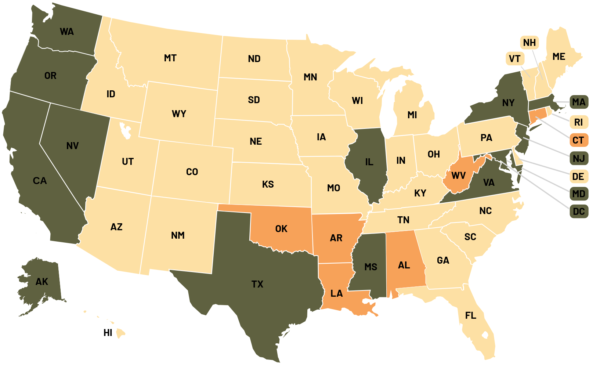
During the 2020 election cycle, in the midst of the COVID-19 pandemic, philanthropists recognized a need for additional funding for election offices. These grants were available to any election jurisdiction, and over 2,500 individual offices received additional funding to increase their staffing, training, and available equipment and to conduct safe elections despite COVID-19. All funds…

Mail Ballot Processing

The 2020 election saw a large increase in voters choosing to utilize absentee or mail ballots rather than traditional in-person voting. This increase created logistical issues for election jurisdictions in the ballot counting process, which in turn caused delayed results in some states. One policy states can use to help lessen these delays is allowing…

Voter Intent Laws

Almost every state has some form of a “voter intent” law or policy, which operates to guide election officials in determining a voter’s choices on their ballot. These policies help in situations where the voter’s marks on a ballot are unclear or there are stray markings, and allow voter’s ballots to be counted rather than…

Mail Ballot Verification

States use a variety of methods to verify that absentee and mail ballots were returned by the correct voter. Many states conduct rigorous signature verification processes or match identifying information such as driver’s license numbers, while some states only confirm the ballot is signed or the voter has affirmed their own identity.