Drag Restrictions

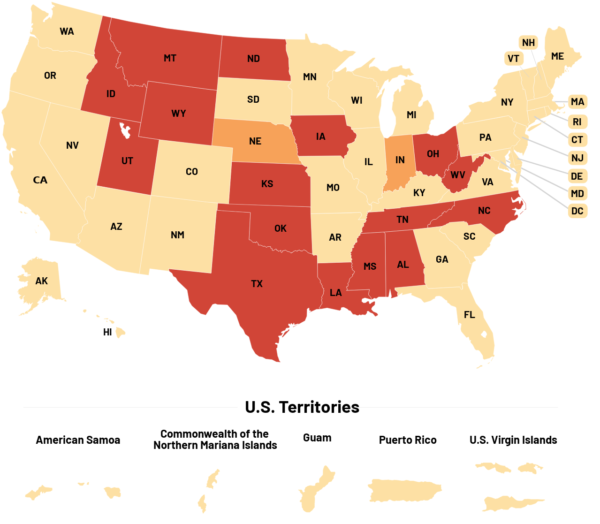
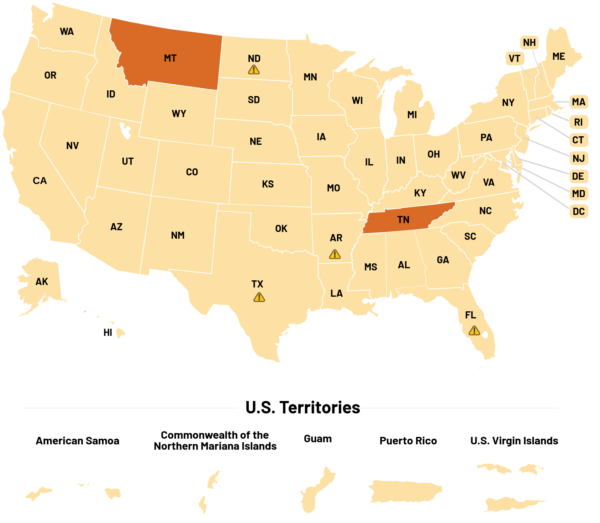
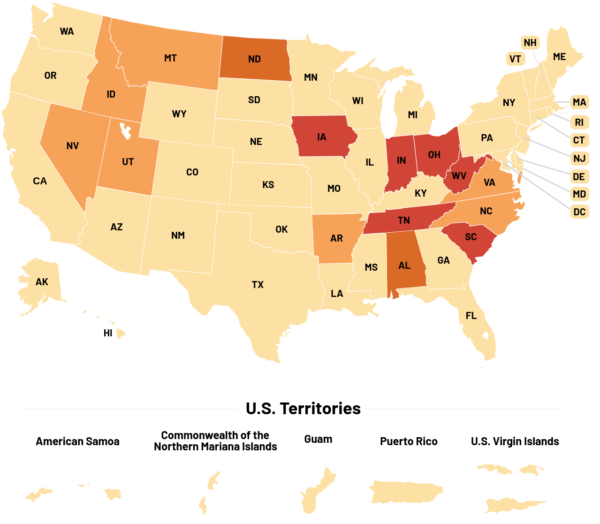
Drag is an art form dating back centuries and is a vital part of LGBTQ culture and history. While state laws restricting gender-based dress also date back to at least the 1800s, 2023 brought a resurgence of efforts to limit free speech and expression in the form of drag performances. These attacks are part of…
Forced Outing

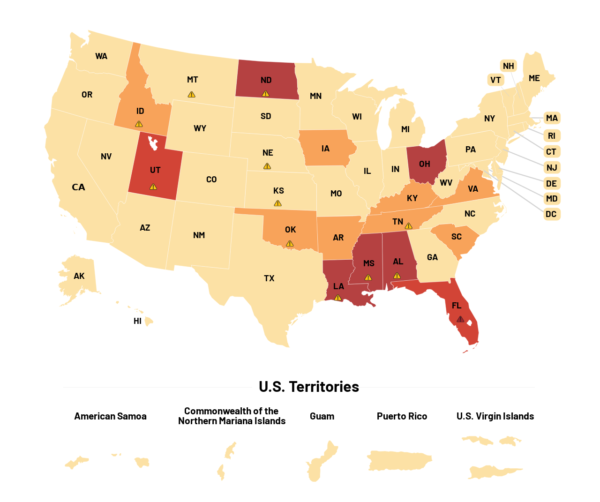
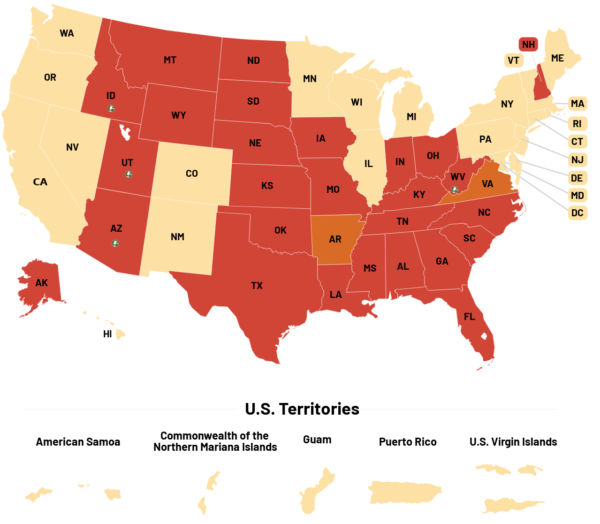
Since 2020, there has been a growing legislative attack on transgender people, and particularly on transgender youth. This includes a growing number of bills (and now laws) that explicitly require school staff—and in some cases, any government or public employee—to out transgender youth to their families, often without regard for whether doing so might put…

Sports Participation Bans

Recently, anti-LGBTQ activists and politicians have introduced – and passed – laws to ban transgender youth from participating in school sports. The scope of these bans can vary across age ranges, but commonly including both K-12 schools and college settings. These laws mean that transgender girls, for example, would not be allowed to participate in…

Defining Sex

As part of a broader, coordinated attack on transgender people across the country, these newly emerging laws explicitly regulate gender by defining “sex” throughout all state law to effectively allow discrimination against transgender people. These laws regulate gender and define sex as only male or female, typically based on a person’s presumed reproductive anatomy, chromosomes,…

Trans Shield Laws

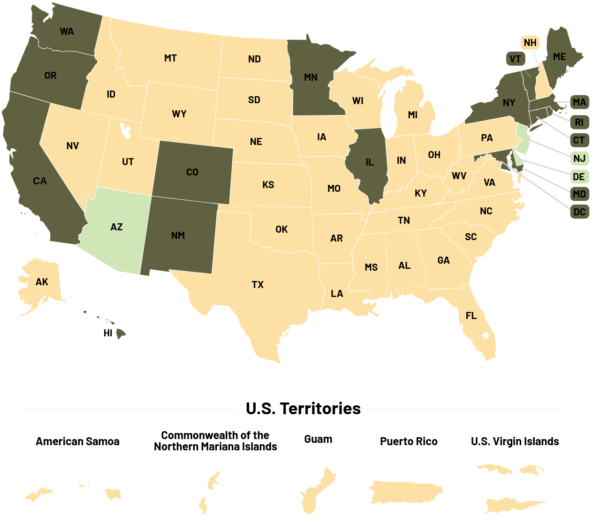
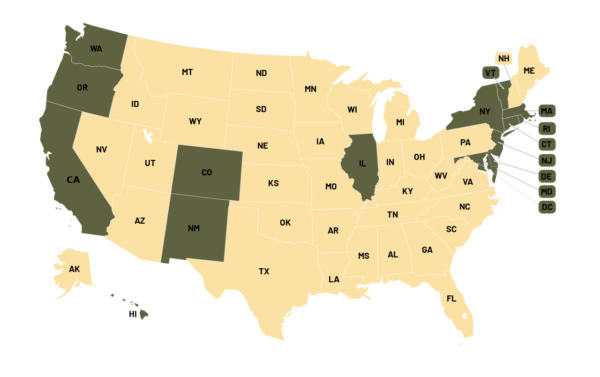
Transgender people’s access to best-practice health care—sometimes also called gender-affirming care—is increasingly under attack. In response, a growing number of states are taking action to protect access to this medically necessary health care. These “shield” or “refuge” laws can vary from one state to the next, but their primary goal is to protect transgender people,…

Foster Care

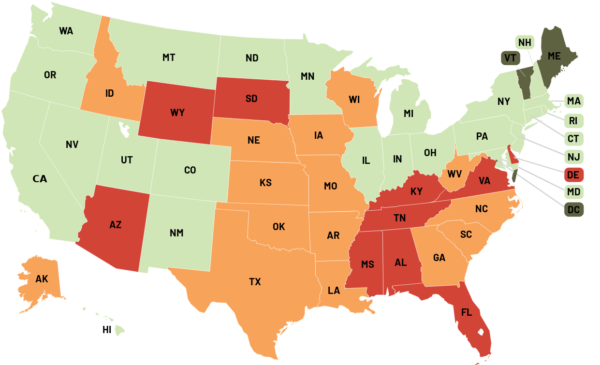
Foster care nondiscrimination laws protect LGBTQ foster parents and families from discrimination by foster care agencies and officials. Some states permits state-licensed child welfare agencies to refuse to place and provide services to children and families, including LGBTQ people and same-sex couples, if doing so conflicts with their religious beliefs.

National Popular Vote Compact

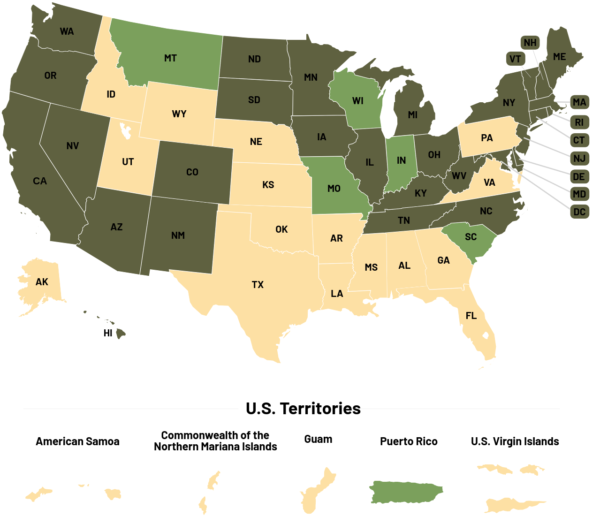
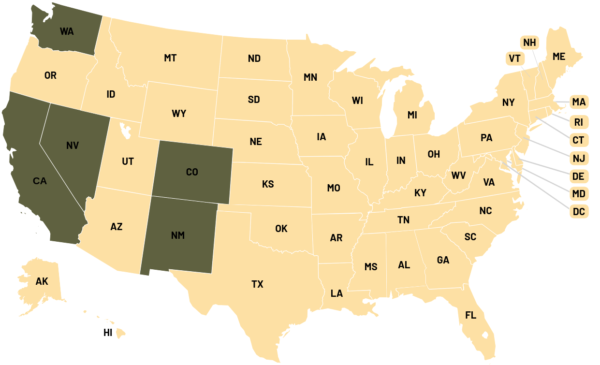
The National Popular Vote Compact is an agreement among states which seeks to implement a popular vote system for presidential elections—as opposed to the current Electoral College process which allows a president to be elected despite receiving less votes than his or her opponent. The Compact will take effect when joined by states representing 270…