You are here:

Unjust: How the Broken Criminal Justice System Fails LGBTQ Youth

Authors

Movement Advancement Project
Center for American Progress

Partners

Advancement Project
Forward Together
The Equity Project
GLSEN
Genders & Sexualities Alliance Network
Human Rights Campaign
JustLeadershipUSA
National LGBTQ Task Force
True Colors Fund
Youth First

Report Resources

How the Broken Juvenile & Criminal Justice Systems Fail LGBTQ Youth
Download

Recommended Citation

Movement Advancement Project and Center for American Progress. August 2016. Unjust: How the Broken Juvenile and Criminal Justice Systems Fail LGBTQ Youth. https://mapresearch.org/report/unjust-how-the-broken-criminal-justice-system-fails-lgbtq-youth/.

The Bottom Line

Unjust: How the Broken Juvenile and Criminal Justice Systems Fail LGBTQ Youth examines how as many as 3.2 million LGBTQ youth are vulnerable to discrimination, profiling, and mistreatment in the juvenile and criminal justice systems. In fact, LGBTQ youth are twice as likely to end up in juvenile detention; 20% youth in juvenile justice facilities identify as LGBTQ compared to 7-9% of youth in general. The report also documents the rampant mistreatment and abuse that LGBTQ young people face in court proceedings, detention and re-entry.

The report identifies several factors in the overrepresentation of LGBTQ youth in the system: pervasive anti-LGBT stigma and discrimination in families and communities; unsafe schools where LGBTQ students are disproportionately likely to enter the “school-to-prison pipeline”; and discriminatory enforcement of laws related to sexual behavior and drug use.

Among the shocking results of these problems: one in five young people in U.S. juvenile justice facilities identify as LGBTQ, and 85% of these individuals are youth of color.

The report also documents how LGBTQ young people are unfairly treated and abused in the system. It paints a disturbing portrait of discrimination and bias in court proceedings, rampant mistreatment and abuse at the hands of staff and other youth in juvenile justice facilities, and a dearth of support preparing for re-entry.

Because of discrimination and unjust treatment, the United States is endangering the lives and life chances of LGBTQ young people across the country. The Unjust report includes numerous stories about people, organizations and criminal justice institutions that are advancing positive changes to improve conditions and outcomes for LGBTQ youth. It also includes a series of recommendations for ensuring fairer treatment of LGBTQ young people in families, schools, communities and throughout the criminal justice system.
Related resources

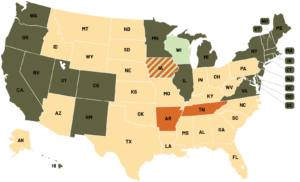
Nondiscrimination Laws
Non-discrimination laws protect LGBTQ people from employment, housing, public accommodations, credit, and other discrimination.
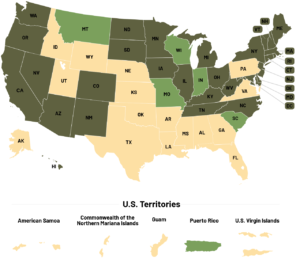
Child Welfare Nondiscrimination Laws
Child welfare nondiscrimination laws protect youth in the child welfare system from discrimination based on the youth's sexual orientation and gender identity.
Religious Exemptions
State religious exemption laws permit people, churches, non-profit organizations, and sometimes corporations to seek exemptions from state laws that burden their religious beliefs. These laws have recently been used as a defense when businesses discriminate against or refuse service to LGBTQ customers and same-sex couples.
Voting Rights for Formerly Incarcerated People
Every state has laws outlining who is eligible to vote, and almost all states restrict voting for those who are currently incarcerated for a felony offense—though a few states allow citizens to vote while incarcerated. States differ on when and how formerly incarcerated people can have their voting rights restored.
Targeted: Child Welfare Services
Voting Policy Resources
These resources help build understanding of the opposing trends in election policies and their effects on how voters cast their ballots, in addition to the security and independence of our elections.
Voting Rights for Formerly Incarcerated People
The United States has one of the highest rates of incarceration in the industrialized world. These resources discuss states’ policies that determine when and how formerly incarcerated people can have their voting rights restored.
LGBTQ People
LGBTQ people in the United States have families, work hard to earn a living, pay taxes, and serve their communities and their country. MAP offers a collection of resources addressing the many aspects of LGBTQ people’s lives.
LGBTQ People of Color

People of color in the United States are more likely to identify as LGBTQ than white people. It is estimated that one-third of LGBTQ people nationally are people of color. LGBTQ people of color have unique experiences both as LGBTQ people and as people of color. Research finds that they

Join our community

Get research updates, stories, and ways to support.