You are here:

The Facts: Bathroom Safety, Nondiscrimination Laws, and Bathroom Ban Laws

Authors

Movement Advancement Project
Equality Federation Institute
Freedom for All Americans
National Center for Transgender Equality

Report Resources

The Facts: Bathroom Safety, Nondiscrimination Laws, and Bathroom Ban Laws
Download

Recommended Citation

Movement Advancement Project. July 2016. The Facts: Bathroom Safety, Nondiscrimination Laws, and Bathroom Ban Laws. https://mapresearch.org/report/the-facts-bathroom-safety-nondiscrimination-laws-and-bathroom-ban-laws/.

The Bottom Line

Despite widespread discrimination against lesbian, gay, bisexual, and transgender (LGBT) people, federal and most state law still does not explicitly protect LGBT people from discrimination in employment, housing, and public accommodations. And anti-LGBT opponents are using false and misguided fears about safety and privacy in bathrooms to defeat nondiscrimination protections and to restrict transgender people’s access to restrooms. The Facts: Bathroom Safety, Nondiscrimination Laws, and Bathroom Ban Laws provides a thorough and rational discussion of the legal landscape pertaining to nondiscrimination laws, bathroom ban laws, and restroom safety.

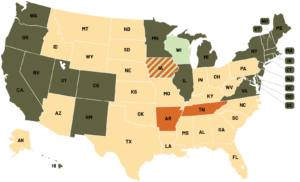
Nondiscrimination laws that explicitly protect LGBT people have been enacted in 18 states and more than 200 municipalities—with no increase in public safety incidents. Additionally, harming someone in a restroom is already illegal and updating nondiscrimination laws to protect LGBT people doesn’t change that. By contrast, bathroom ban laws compromise public safety and can’t be enforced without invading citizen privacy. And the vagueness of the laws may provide unchecked power to law enforcement officers or even embolden private citizens to take the law into their own hands. These laws also leave transgender people even more vulnerable to discrimination, harassment, and violence.

Bathroom ban laws invite lawsuits and risk loss of federal funding. Cities and states that pass such laws can also expect an added economic burden when businesses, visitors, and even other jurisdictions reduce or restrict their travel to, and business with, the area that passed the law. Finally, bathroom ban laws not only discriminate against transgender people, but they also endanger their health and contribute to a climate of harassment and criminalization that puts transgender people at risk of arrest, prosecution, incarceration, and more.
Related resources

Support for Transgender People is Higher Than Headlines Suggest
This partner brief from MAP and Advocates for Trans Equality (A4TE) offers new analysis which shows that transgender people are widely accepted and supported by their families, workplaces, faith communities, and more.
Talking About ID Update Bans hero image
Talking About ID Update Bans
Identification documents are vital keys that open doors to so many parts of everyday life. Learn about conversations that can help conflicted audiences understand what’s at stake when states seek to ban transgender people from updating the gender marker on their ID.
Nondiscrimination Laws
Non-discrimination laws protect LGBTQ people from employment, housing, public accommodations, credit, and other discrimination.
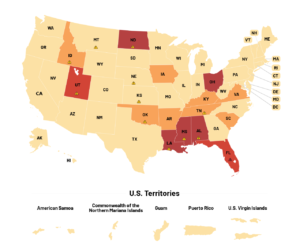
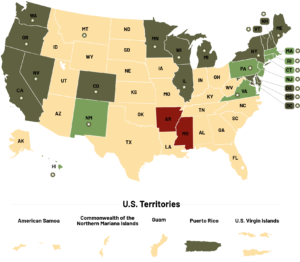
Bans on Transgender People Using Public Bathrooms and Facilities According to their Gender Identity
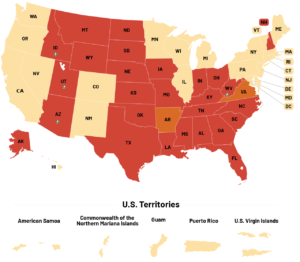
Bans on Transgender Youth Participation in Sports
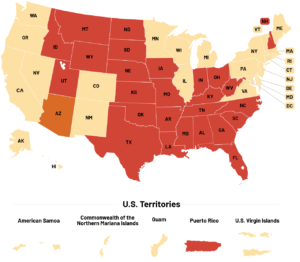
Bans on Best Practice Medical Care for Transgender Youth
Bans on best-practice medical care represent one of the most extreme and coordinated political attacks on transgender people in recent years. These bills target transgender youth by blocking their access to best-practice medical care.
Bans on Insurance Exclusions of Transgender-Related Care
Transgender People

An estimated 2.8 million people ages 13 and older in the U.S. identify as transgender. Transgender people live in every state, are ethnically and racially diverse, and offer a range of skills, expertise, and experiences. In recent years, the collective work of movement organizations has resulted in greater visibility and

LGBTQ People
LGBTQ people in the United States have families, work hard to earn a living, pay taxes, and serve their communities and their country. MAP offers a collection of resources addressing the many aspects of LGBTQ people’s lives.

Join our community

Get research updates, stories, and ways to support.