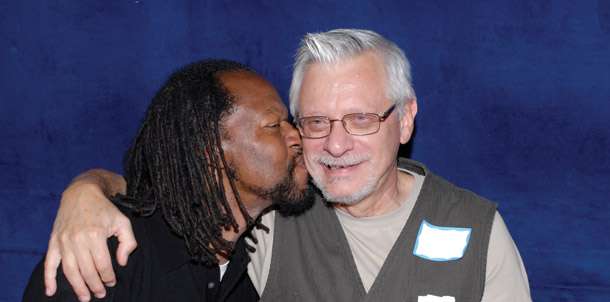
The challenges facing LGBT older adults are coming into sharper focus with the aging of LGBT Baby Boomers-the first generation of LGBT people to have lived and aged as openly lesbian, gay, bisexual and transgender people in large numbers.
September 28, 2010
By Michael Adams, Jeff Krehely and Ineke Mushovic
Earlier this year, Services and Advocacy for Gay, Lesbian, Bisexual, & Transgender Elders, or SAGE, and the Movement Advancement Project, or MAP, released “Improving the Lives of LGBT Older Adults” in partnership with the Center for American Progress, the American Society on Aging, and the National Senior Citizens Law Center. The report provides an overview of LGBT elders’ unique needs and the policy and regulatory changes that are needed to adequately address them.
To follow up on that work, SAGE, MAP, and CAP have developed 12 briefs that provide more information on the issues raised in the report. This memo provides links to and summaries of these briefs. For a very fast summary of the issues at play, see the Facts at a Glance document.
Falling Through the Safety Net: This brief illustrates how policy and social barriers gradually tear away at the safety net for lesbian, gay, bisexual, and transgender, or LGBT, older adults-and how these inequities compound and reinforce each other, creating a dramatically different aging experience for LGBT older adults based solely on the different treatment they experience because they are not heterosexual. It explains that the barriers and inequality facing LGBT older adults stem from the effects of social stigmas and prejudice, their reliance on informal “families of choice” for care and support, and inequitable laws and programs that treat LGBT elders unequally. These barriers can prevent LGBT elders from achieving three key elements of successful aging: financial security, good health and health care, and social support and community engagement.
Social Security: LGBT older adults are not eligible for Social Security spousal benefits, survivor benefits, or death benefits. This disparate treatment is especially unjust because Social Security benefits are not freely given; they are based on the contributions people make throughout their working lives-and LGBT people work and pay into Social Security in the same manner as their heterosexual counterparts. The lack of equal Social Security benefits contributes to higher poverty rates among older same-sex couples and significantly reduces their retirement income, potentially leaving a surviving same-sex spouse without a living-wage income.
Medicaid: Medicaid generally pays for older Americans requiring long-term institutional or home-based care. Only individuals with low assets and income can qualify for Medicaid, but Medicaid qualification rules also include a series of “spousal impoverishment protections” that aim to prevent requiring a healthy spouse to live in poverty in order to qualify a sick spouse for Medicaid. Unfortunately, these spousal impoverishment protections do not apply to same-sex couples, which can leave the same-sex partner of a Medicaid recipient homeless, penniless, and without a living-wage income.
Pension Plans: LGBT older adults are often denied pension plan options that provide financial protections for a surviving partner-even though LGBT employees earn their pensions through the same hard work and financial contributions as their heterosexual counterparts. The lack of pension income can devastate a surviving partner in the event of a death, especially given that LGBT elders are poorer and less financially secure than American elders as a whole. Even when both partners are healthy, LGBT older adults are denied the peace of mind that comes from knowing that a surviving partner will receive an adequate living income upon the death of the pension holder.
Tax-Qualified Retirement Plans: Inheriting a tax-qualified retirement plan from a loved one can cost an LGBT person thousands of dollars per year in retirement income because of different treatment under the law. This inequity is especially significant given that LGBT elders are poorer and less financially secure than Americans as a whole.
Estate Tax and Inheritance Laws: Unlike their heterosexual counterparts, unless an LGBT elder has specific legal documents in place upon their death, state laws generally hand over financial decision-making and inheritance to spouses or blood relatives rather than domestic partners or families of choice. This means that surviving LGBT partners or other loved ones can be totally shut out of an inheritance, resulting in the loss of critical retirement savings, forfeiture of a family home, or impoverishment. Additionally, even when a surviving partner does inherit a deceased loved one’s assets, inequitable tax treatment of same-sex couples can mean paying 45 percent in taxes on an inheritance that a surviving heterosexual spouse would inherit tax free.
Legal Barriers to Taking Care of Loved Ones: LGBT older adults confront many challenges their heterosexual counterparts do not face. Some of the most unconscionable are laws that stand in the way of LGBT people taking care of those they love, in life and in death. LGBT people are not granted family or medical leave to take care of a sick or terminally ill partner under federal law and most state laws. Furthermore, LGBT people could be excluded from medical decision making for a partner. Finally, upon the death of a partner, LGBT people are often denied making end-of-life decisions about last rites, funerals, and disposition of remains.
Exclusion from Aging Programs and Services: LGBT older adults often face harassment or hostility when accessing aging programs and when frequenting senior centers, volunteer centers or places of worship. Few aging service providers plan for, or conduct outreach to, the LGBT community-and few are prepared to address acts of discrimination aimed at LGBT elders by staff or other older people. This makes many LGBT older adults reluctant to access mainstream aging services, which increases their social isolation and negatively impacts their physical and mental health.
Inhospitable Health Care Environments: Older Americans are frequently dependent on the assistance of professional health care providers, whether home-based service providers or doctors, nurses, and staff at medical centers and long-term care facilities. LGBT older adults, who are less likely to be able to rely on family members for caregiving, often face hostile or unwelcoming health care providers, or might encounter staff members who are unfamiliar with the needs of the LGBT community. These experiences and fears can cause LGBT older adults to delay seeking necessary health care, sometimes indefinitely, and can lead to premature institutionalization in nursing homes and long-term care facilities due to fear of hostile in-home care providers.
Health Disparities: LGBT older adults experience health disparities across four general areas: access to health care, HIV/AIDS, mental health, and chronic physical conditions. Additionally, extra taxation on retiree health insurance benefits means that many LGBT elders simply cannot afford to receive retiree health insurance. This is especially problematic given that LGBT older adults face a wide range of physical health disparities that are generally unaddressed by governments or health care providers.
Rethinking Aging Laws for Today’s Older Adults: Most federal and state safety net programs that support older adults are built around the presumption of a married heterosexual couple. This presumption simply does not match the reality of the lives of today’s older adults. Almost one-third of the entire population aged 65 and older are widowed men and women, and 42 percent of women aged 65 and older and 59 percent of women aged 75 and older are widowed. Many heterosexual elders live in domestic partnerships, often because marrying or remarrying would result in unaffordable financial consequences. Just more than 4 percent of older adults (including those in religious orders and those who simply choose to remain single) were never married. Another 4 percent of older adults are gay, lesbian, or bisexual, and may be single or in a legally recognized same-sex relationship. Policymakers need to examine ways to adapt laws and safety nets to help protect all of today’s older adults. Many of the recommendations to help LGBT older adults would also improve the lives of heterosexual elders in domestic partnerships, or single and widowed heterosexual elders who are not able to rely on a spouse for financial or caretaking support.
These briefs-and the full report-offer a plan to help our nation better care for and serve its increasingly visible older LGBT population. Now is the time to make changes to laws, community services and attitudes, and health care practices to help elders improve their financial security, access culturally competent health care, and remain active and fully engaged members of their communities. All Americans deserve the chance to age with dignity, and solutions that help LGBT elders do so will help all Americans who are aging or face inequality.
Michael Adams is the Executive Director of Services & Advocacy for GLBT Elders, Jeff Krehely is Director of the LGBT Research and Communications Project at the Center for American Progress, and Ineke Mushovic is the Executive Director of the Movement Advancement Project.
# # #
MAP’s mission is to provide independent and rigorous research, insight and communications that help speed equality and opportunity for all. MAP works to ensure that all people have a fair chance to pursue health and happiness, earn a living, take care of the ones they love, be safe in their communities, and participate in civic life.