You are here:

Religious Exemptions

Religious exemption laws permit people, churches, non-profit organizations, and sometimes corporations to seek exemptions from state laws that burden their religious beliefs. There is a coordinated strategy to mount legislation and litigation across the country to undermine nondiscrimination protections, comprehensive health care, and the regulations administering social and public services by inserting exemptions into the laws based on religious or moral beliefs. These attacks on the law include “Religious Freedom Restoration Acts” or RFRAs, state religious exemption laws in adoption and foster care, religious exemptions in healthcare including for reproductive care, denial of government services including marriages, denial of service in public businesses, the denial of employee benefits, and U.S. Supreme Court cases like Masterpiece or 303 Creative.

The following resources provide an overview of state religious exemption laws and analyze how religious exemptions threaten the health, wellbeing, and safety of many people in the United States, including LGBTQ people.


 

Related Resources

The High Stakes in the Fulton Case

The outcome of Fulton vs. City of Philadelphia, heard by the Supreme Court on November 4, 2020, could dramatically reshape how LGBTQ people and same-sex couples, women, people of faith, unmarried couples, and others access taxpayer-funded supports such as job

The High Stakes in the Fulton Case: Undermining the Vital Role of Child Welfare Laws & Regulations in Protecting America’s Children

This fall, the U.S. Supreme Court will hear oral arguments in Fulton v. City of Philadelphia, a case related to taxpayer-funded child welfare agencies. If the Court rules that Catholic Social Services (CSS) can refuse to comply with the City of Philadelphia’s nondiscrimination requirement and reject qualified parents simply because

What’s at Stake? Analyzing a 2019 HHS Proposed Rule Allowing Discrimination

December 2019 This brief analyzes a new proposed rule allowing discrimination in HHS-funded programs and services.  

Title IX, Religious Exemptions & Campus Climate: LGBT Protections in Higher Education
This brief shows how the expansion of the ability of colleges and universities to claim a religious exemption to federal nondiscrimination laws can have a profoundly negative impact on LGBTQ students.
Kids Pay the Price: How Discriminatory Adoption and Foster Care Laws Harm Children

September 2018 – This policy brief, authored by MAP and the Family Equality Council, in partnership with the Child Welfare League of America (CWLA) and the National Association of Social Workers (NASW), offers a snapshot of the impact of discriminatory

Top Corporations, Civil Rights Advocates and 1,200+ Businesses Join Open to All!

Yelp, Levi Strauss & Co., Airbnb, Lyft, Thumbtack, New York, Oakland, And More Than 1,200 Small Businesses Expand ‘Open to All’ Coalition, Encouraging Businesses to Affirm America’s Commitment to Serving Everyone on the Same Terms Washington, D.C., July 31, 2018 — Today, some of the nation’s largest businesses including Yelp,

2018 Federal Child Welfare Amendment

The Bottom Line In July 2018, a committee passed the so-called Aderholt Amendment to an appropriations bill that creates a federal license to discriminate for child welfare providers. As detailed in a brief released by MAP, Lambda Legal, and the Every Child Deserves a Family coalition, if passed, this bill

Putting Children at Risk: How Efforts to Undermine Marriage Equality Harm Children

The Bottom Line Putting Children at Risk: How Efforts to Undermine Marriage Equality Harm Children shows how these coordinated efforts pose a profound threat to the children in LGBT families. First, some government officials, state legislators, and courts have refused to fully recognize the marriages of same-sex couples and their

Religious Refusals in Health Care: A Prescription for Disaster

The Bottom Line Freedom of religion is an important American value, which is why it is already protected by the First Amendment of the Constitution. That freedom doesn’t give people the right to impose their beliefs on others or to discriminate. In January 2018, the Trump Administration’s announcement of a

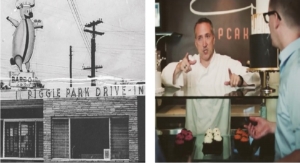
50 Years Ago vs. Today: Piggie Park & the High Stakes of the Masterpiece Cakeshop Case

The Bottom Line Fifty years ago, in March 1968, the U.S. Supreme Court issued a landmark ruling in Newman v. Piggie Park Enterprises. Piggie Park, a small barbeque chain that is still open today, refused to serve African American customers.

Join Our Community

Get research updates, stories, and ways to support.