You are here:

Paying an Unfair Price: The Financial Penalty for Being LGBT in America

Authors

Movement Advancement Project
Center for American Progress

Partners

Center for Community Change
The Center For Popular Democracy
National Association of Social Workers
National Education Association

Report Resources

Paying an Unfair Price: Full Report (Updated Nov. 2014)
Download
Paying an Unfair Price: Condensed Report (Updated Nov. 2014)
Download
Paying an Unfair Price: Executive Summary
Download
Paying an Unfair Price: Infographics
Download
Video: Paying an Unfair Price - Maria's Story
Download
Google Hangout: Paying an Unfair Price
Download

Recommended Citation

Movement Advancement Project and Center for American Progress. September 2014. Paying an Unfair Price: The Financial Penalty for Being LGBT in America.  https://mapresearch.org/report/paying-an-unfair-price-the-financial-penalty-for-being-lgbt-in-america/.

The Bottom Line:

Paying an Unfair Price: The Financial Penalty for Being LGBT in America paints a stark picture of the added financial burdens faced by LGBT Americans because of anti-LGBT laws at the national, state and local levels. These laws contribute to devastating cycles of poverty and create unfair financial penalties in the form of higher taxes, reduced wages and Social Security income, increased healthcare costs, and more.

The report documents how inequitable laws harm the economic well-being of LGBT people in three key ways: by enabling legal discrimination in jobs, housing, credit and other areas; by failing to recognize LGBT families, both in general and across a range of programs and laws designed to help American families; and by creating barriers to safe and affordable education for LGBT students and the children of LGBT parents.

Paying an Unfair Price offers broad recommendations for helping strengthen economic security for LGBT Americans, such as instituting basic nondiscrimination protections at the federal and state level; allowing same-sex couples to marry in all states; allowing LGBT parents to form legal ties with the children they are raising; and protecting students from discrimination and harassment on the basis of sexual orientation and gender identity.

Paying an Unfair Price was co-authored by the Movement Advancement Project and the Center for American Progress, in partnership with the Center for Community Change, the Center for Popular Democracy, the National Association of Social Workers, and the National Education Association.


Share Your #UnfairPrice

Join us on social media in sharing how anti-LGBT laws make it harder for you to be financially secure. Be sure to use the hashtag #UnfairPrice to share your story.
Related resources

Safe School Laws
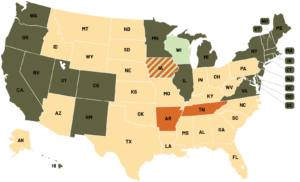
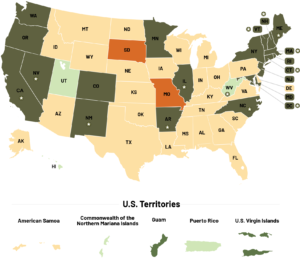
This map shows state school nondiscrimination laws that explicitly enumerate sexual orientation and/or gender identity as protected characteristics, as well as states that explicitly interpret existing prohibitions against sex discrimination to include discrimination based on sexual orientation or gender identity.
Anti-bullying
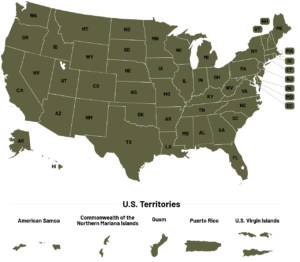
This map shows state anti-bullying laws that explicitly enumerate sexual orientation and/or gender identity as protected characteristics, as well as states that explicitly interpret existing prohibitions against sex discrimination to include discrimination based on sexual orientation or gender identity.
Nondiscrimination Laws
Non-discrimination laws protect LGBTQ people from employment, housing, public accommodations, credit, and other discrimination.
Employment Nondiscrimination
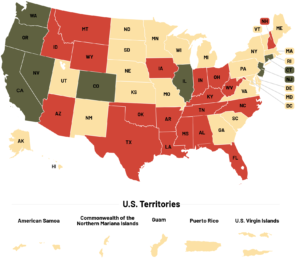
Employment non-discrimination laws protect people from being unfairly fired, not hired, or discriminated against in the workplace by private employers on the basis of gender identity or sexual orientation.
LGBTQ Curricular Laws
This map summarizes whether states have an LGBTQ-inclusive curricular standards law or any of the following LGBTQ-specific school censorship laws: “Don’t Say LGBTQ” laws, older laws censoring discussions of homosexuality, and parental opt-out/opt-in laws.
LGBTQ-Inclusive Curricular Standards
LGBTQ People
LGBTQ people in the United States have families, work hard to earn a living, pay taxes, and serve their communities and their country. MAP offers a collection of resources addressing the many aspects of LGBTQ people’s lives.
Education
Every student, from kindergarten to college and beyond, deserves a fair chance to succeed in school and prepare for their future—including students who are LGBTQ. Given the importance of access to education for long-term economic security, the experiences of LGBTQ youth in schools is especially troubling.
Housing

LGBTQ people are our family, friends, neighbors, and coworkers. When it comes to having a safe place to live, they should be treated like anyone else and not be discriminated against. Yet LGBTQ people report high rates of housing discrimination, including being denied a rental unit, charged more, or harassed

Join our community

Get research updates, stories, and ways to support.