You are here:

LGBTQ Policy Spotlight: Efforts to Ban Health Care for Transgender Youth

Authors

Movement Advancement Project

Report Resources

LGBTQ Policy Spotlight: Efforts to Ban Health Care for Transgender Youth (PDF)
Download
Infographics
Download
Press Release: New Report Examines Bans on Medical Care for Transgender Youth
Visit
Equality Maps: Healthcare Laws and Policies
Visit
Blog Post — Get the facts: Best practice medical care for trans youth (May 3, 2022)
Visit

Recommended Citation

Movement Advancement Project. April 2021. LGBTQ Policy Spotlight: Efforts to Ban Health Care for Transgender Youth. https://mapresearch.org/report/lgbtq-policy-spotlight-efforts-to-ban-health-care-for-transgender-youth/.

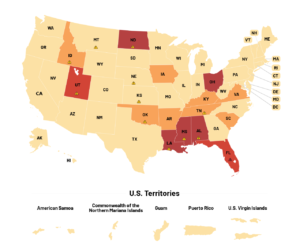
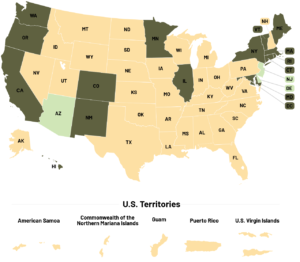
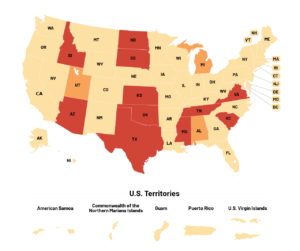
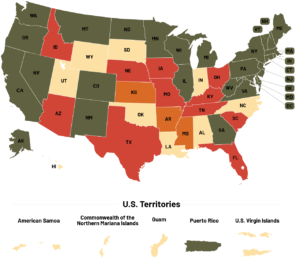
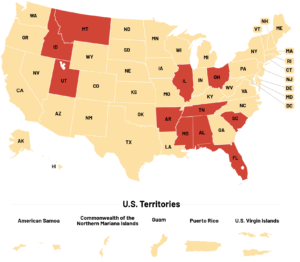
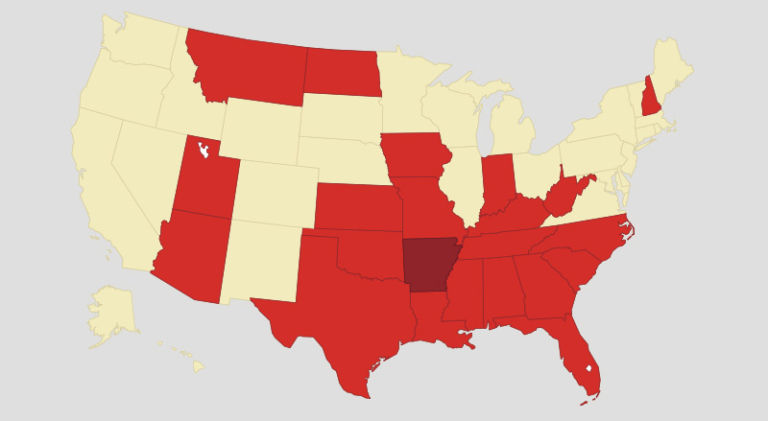
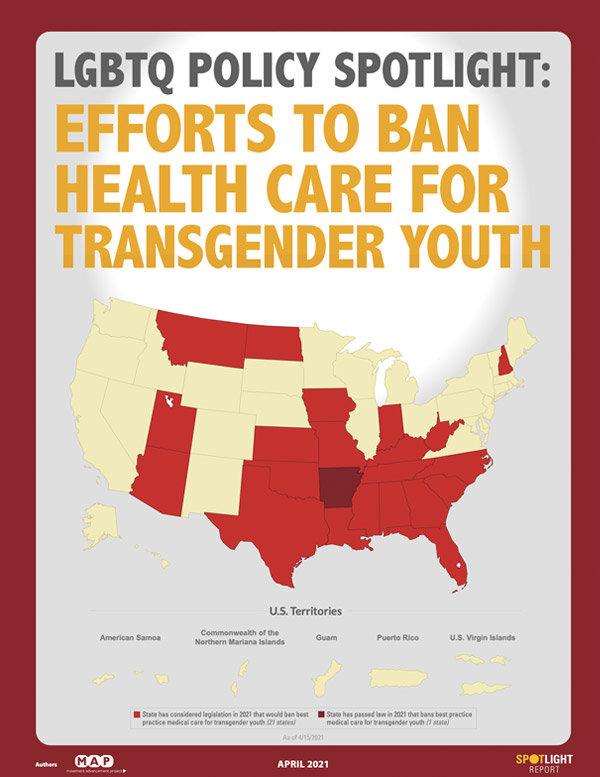
In 2021 alone, legislatures in 22 states have introduced bills to ban best practice medical care for transgender young people. MAP’s report, Efforts to Ban Health Care for Transgender Youth,  provides an overview of the legislative environment across the country, the harmful impacts these bills could have, as well a summary of best practice medical care for transgender youth.  An estimated 64,700 transgender youth (ages 13-17) live in the states considering this type of legislation in 2021 and thus are at risk of losing access to critical medical care.

Of the 22 states that introduced legislation this year to ban healthcare for transgender youth, several introduced multiple bills with a range of harmful impacts. Prior to 2020, not a single state had introduced legislation to ban this medical care. Additionally, bills in 13 states would create criminal penalties for providing healthcare to transgender youth, even though this care adheres to guidance from leading medical organizations. Denying best practice medical care and support to transgender youth can be life-threatening, which can contribute to depression, social isolation, risk of self-harm and suicidal behavior, among other negative impacts.

  • Gender affirming health care can be lifesaving and is supported by every major medical association in the United States, including the American Academy of Pediatrics, the American Medical Association, American Psychological Association, Endocrine Society, American College of Obstetricians and Gynecologists, and World Professional Association for Transgender Health (WPATH).
  • Transgender young people have the best chance to thrive when they’re supported and have access to the health care they need, like any other child. Ultimately, medical decisions are best left to patients, their families, and their health care providers, in accordance with medical best practices.
Related resources

Support for Transgender People is Higher Than Headlines Suggest
This partner brief from MAP and Advocates for Trans Equality (A4TE) offers new analysis which shows that transgender people are widely accepted and supported by their families, workplaces, faith communities, and more.
Talking About ID Update Bans hero image
Talking About ID Update Bans
Identification documents are vital keys that open doors to so many parts of everyday life. Learn about conversations that can help conflicted audiences understand what’s at stake when states seek to ban transgender people from updating the gender marker on their ID.
Bans on Transgender People Using Public Bathrooms and Facilities According to their Gender Identity
Transgender Healthcare “Shield” Laws
Religious Exemptions
State religious exemption laws permit people, churches, non-profit organizations, and sometimes corporations to seek exemptions from state laws that burden their religious beliefs. These laws have recently been used as a defense when businesses discriminate against or refuse service to LGBTQ customers and same-sex couples.
Bans on Transgender Youth Participation in Sports
Bans on Best Practice Medical Care for Transgender Youth
Bans on best-practice medical care represent one of the most extreme and coordinated political attacks on transgender people in recent years. These bills target transgender youth by blocking their access to best-practice medical care.
Medicaid Coverage of Transgender-Related Health Care
Targeted: Medical Professionals

Join our community

Get research updates, stories, and ways to support.