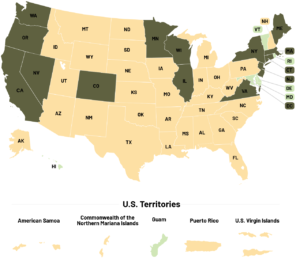
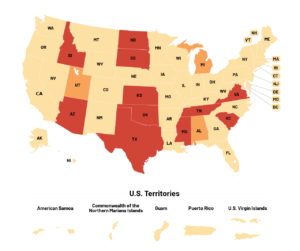
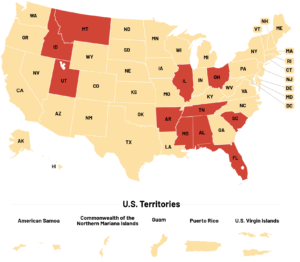
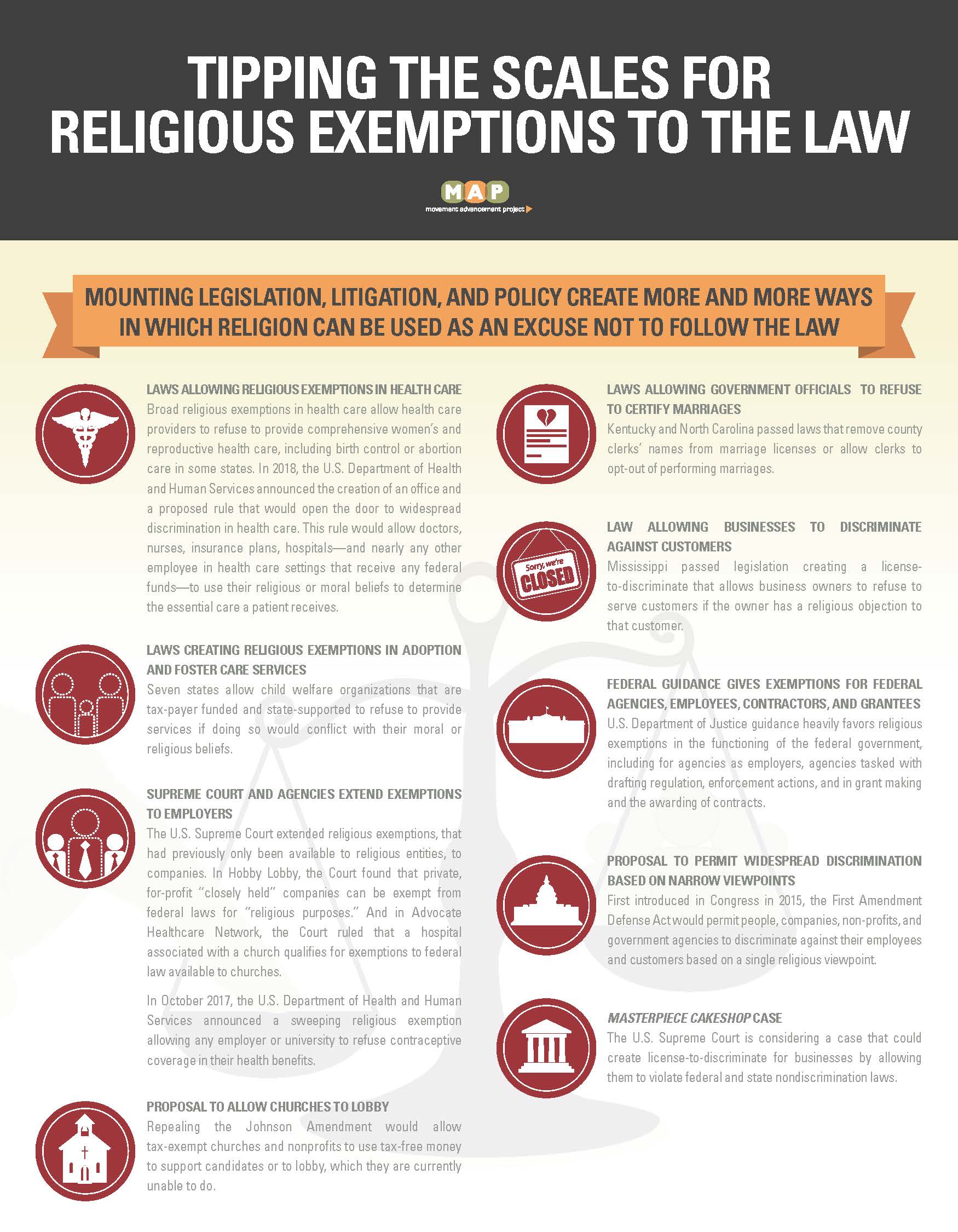
This infographic, produced as part of the Tipping the Scales: The Coordinated Attack on LGBT People, Women, Parents, Children, and Health Care report, outlines the mounting legislation and litigation across the country orchestrated to undermine nondiscrimination protections, comprehensive health care, and the regulations administering social and public services by inserting exemptions into the laws based on religious or moral beliefs.
You are here:
- Home
- Infographic
- Tipping the Scales for Religio…
Tipping the Scales for Religious Exemptions to the Law
Related resources

Family Leave Laws
State family leave laws covering same-sex couples govern whether an LGBT person can take leave from work to care for their same-sex spouse or partner.

Religious Exemptions
State religious exemption laws permit people, churches, non-profit organizations, and sometimes corporations to seek exemptions from state laws that burden their religious beliefs. These laws have recently been used as a defense when businesses discriminate against or refuse service to LGBTQ customers and same-sex couples.

LGBTQ People
LGBTQ people in the United States have families, work hard to earn a living, pay taxes, and serve their communities and their country. MAP offers a collection of resources addressing the many aspects of LGBTQ people’s lives.
LGBTQ Families
LGBTQ families are part of the fabric of neighborhoods and communities across the United States. An estimated two million children are being raised by LGBTQ parents. Decades of research shows that children with LGBTQ parents grow up as happy, healthy and well-adjusted as their peers.
LGBTQ Women
Women who are LGBTQ have the same concerns as other women. They worry about finding and keeping good jobs, saving for the future, taking care of their children and families, and making ends meet. But America’s 5.1 million LGBTQ women face added challenges and worries not just because of their

Talking About Family Recognition Laws & LGBTQ Families
Family recognition laws establish a secure legal relationship between a child and their parent or parents. Learn conversation approaches that help people understand why strong legal child-parent ties are essential to a child’s security and well-being and why families—no matter how they are formed—should be treated equally under the law.
Community Acceptance: Resources for Communities Working with Transgender & Gender Diverse Children
Many people don’t understand what it means to be transgender or gender diverse, so some parents or family members struggle when their child comes out as transgender or gender diverse. It is natural for parents to have questions, and this document, jointly created by the Biden Foundation, Gender Spectrum, and

No related resources found